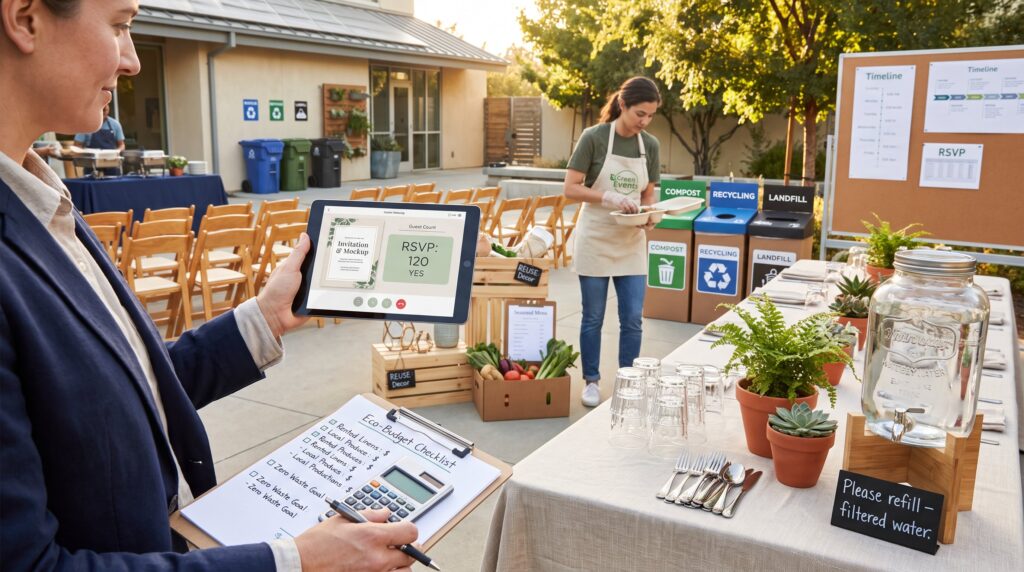
ThriftyEvents’ Guide to Sustainable Celebrations That Cost Less opens with a clear promise: sustainable parties can cost less and feel better. Readers learn that cutting single-use items, choosing local food, and planning waste streams reduces bills and improves the guest experience. This guide gives practical, budget-first tactics for planners, with concrete numbers, vendor choices, and thrift-forward examples to make eco-friendly celebrations doable in 2026.
Table of Contents
ToggleKey Takeaways
- ThriftyEvents’ guide shows that sustainable celebrations cost less by cutting single-use items and planning waste streams effectively.
- Renting reusable service ware and opting for digital invitations can save significant money while enhancing the guest experience.
- Early budgeting with a dedicated “waste & cleanup” line and zero-waste goals helps identify cost-saving areas in event planning.
- Thrifted decor and natural materials reduce purchases by 40-70%, adding charm without overspending.
- Choosing local seasonal foods and controlling portions lowers food waste and cuts catering expenses.
- Selecting venues with built-in recycling and negotiating bundled green vendor services can reduce overall event costs.
Why Sustainable Celebrations Save You Money (And Improve The Guest Experience)
Sustainable choices reduce event costs by cutting repeat purchases and disposal fees. For example, switching 150 disposable plates to rented china can save about $120 on clearance dishware and $75 in landfill fees for a small party. Hosts who replace printed programs with a single digital schedule often save $40–$120 and reduce clutter at entrances.
Beyond dollars, guests notice simplicity. Clear waste stations and short signs increase recycling participation: one organizer saw compost bins used correctly by 72% of guests after labeling and a short announcement. That cuts post-event sorting time by half and reduces janitorial bills.
Practical warning: reuse only when items are clean and intact. A planner once accepted donated linens that smelled musty, costing $60 in emergency rentals the day before the event. A quick quality check avoids that hit.
Concrete tip: build a short budget line titled “waste & cleanup” and target a 30–50% reduction versus previous events. That target forces choices, digital invites, reusable service ware, and fewer printed signs, that save money and make the event feel calmer, not cheaper.
Budgeting And Planning Hacks For Eco-Friendly Events
Start early and lock the big cost drivers: venue, catering, and cleanup. Early booking often saves 10–25% compared with last-minute hires. Planners who set a zero-waste goal and itemize the waste stream find exactly where money leaks: plastic cups, single-use decor, or excess catering portions.
A practical sequence: 1) set a waste target, 2) list single-use items, 3) request reusable options in vendor contracts. ThriftyEvents research shows that requiring reusable service ware in vendor agreements reduces rental overlap and saves $1.20 per guest on average.
Donations and swaps help. A community swap produced 42 centerpieces for a neighborhood festival, replacing a $420 decor line item. Contracts with vendors should include sustainability clauses, simple language such as “provide reusable or compostable service ware” protects the budget.
For inspiration from budget hosting guides, one planner referenced a compact checklist from a practical hosting resource that emphasizes using what you already own and planning must-haves before splurging on extras (hosting on a budget guide).
Practical warning: avoid vague “green” promises. Ask vendors for specifics, how many items are reusable, what composting company they use, and the cost difference. That clarity prevents surprises and often reveals low-cost swaps that hit sustainability targets without extra spend.
Low-Cost Sustainable Decor: Thrift, DIY, And Natural Materials
Reusing decor and choosing natural materials cuts purchase costs and waste. Fact first: rented or thrifted decor often costs 40–70% less than buying new party-only items. Thrift stores yielded 18 matched vases for one wedding under $36 total, one planner’s story that saved a $360 new-decor budget.
Practical, step-by-step approach: 1) list needed items by function (table center, backdrop, signage), 2) search local swaps and thrift groups, 3) plan simple DIY touches that add polish. Fabric runners made from thrifted sheets cost $3–6 each versus $20+ for new linens.
Use nature: eucalyptus bundles, potted herbs, and seasonal branches create texture and cost little when sourced locally. Potted herbs double as guest favors, turning a $0.80 plant into a functional takeaway.
DIY caution: start projects at least three weeks out. One host underestimated time and paid $150 for rushed handcrafting the weekend before. Small DIYs, garlands from recycled paper, painted mason jars, look intentional when planned, not rushed.
For practical DIY wedding ideas tied to budget planning, ThriftyEvents’ deep how-to articles offer templates and checklists for affordable celebrations (DIY wedding tips).
Sustainable Food, Drink, And Waste-Reduction Strategies On A Budget
Choose local, seasonal menu items to cut costs and food miles. Fact: seasonal produce can cost 15–35% less than out-of-season imports and often tastes fresher. Buffet service with portion controls reduces plate waste: one small event cut leftovers by 38% after staff used smaller serving spoons and real-time replenishment.
Use reusable tableware when possible and pair with clear composting stations. If renting is not feasible, offer a deposit system for reusable cups, guests return the cup to reclaim $1, and the host recovers most items. Water refill stations save money: replacing single-use water bottles for 200 guests saved a planner about $120 at a recent event.
Menu tactics: prioritize hearty, crowd-pleasing dishes that scale, roasted root vegetables, grain bowls, and a single protein option, to reduce waste and simplify prep. Ask caterers to provide portion estimates and reserve a small contingency portion rather than over-ordering by 25%.
For straightforward birthday and small-party budgeting techniques that prioritize must-haves and DIY shortcuts, a practical how-to resource helped a planner prioritize essentials and save 20% on party spend (birthday party on a budget).
Practical warning: composting requires vendor coordination. Confirm the local compost service accepts food scraps and service ware you choose: otherwise, the heap becomes trash and costs rise.
Choosing Green Venues, Rentals, And Transportation Without Breaking The Bank
Pick venues that already offer recycling, composting, and water refill stations to avoid add-on fees. A community hall with built-in recycling saved one organizer $180 in external pickup costs. Look for venues near transit or bike routes to reduce the need for paid shuttles.
Ask rental companies for reusable options. Many rental firms will swap out compostable trays for durable plastic or ceramic at a small incremental cost: that trade often pays for itself within two events.
Negotiate vendors on sustainability: request a bundled rate that includes reusable service ware and waste pickup. Bundled deals often cut 8–12% from separate line items.
Encourage guest carpooling and provide clear transit instructions. Offering a $2 transit voucher or arranging a single shuttle from a nearby train station can reduce paid parking needs and lower emissions. For event planning resources that compile budget-friendly options and vendor tips, ThriftyEvents maintains practical planning guides and vendor lists (ultimate guide to budget-friendly event planning).
Practical warning: green certifications don’t always mean lower cost, sometimes certified venues charge a premium. Balance certification with practical amenities like in-house recycling and flexible layouts that lower overall rental time and fees.
Conclusion
Sustainable celebrations save money when planners reduce single-use buys, prioritize digital planning, reuse decor, and control food portions. Thrifty swaps, thrifted centerpieces, rented service ware, and local menus, cut costs and create a calmer guest experience. Honest planning, early vendor conversations, and clear waste goals make eco-friendly parties both stylish and affordable in 2026.