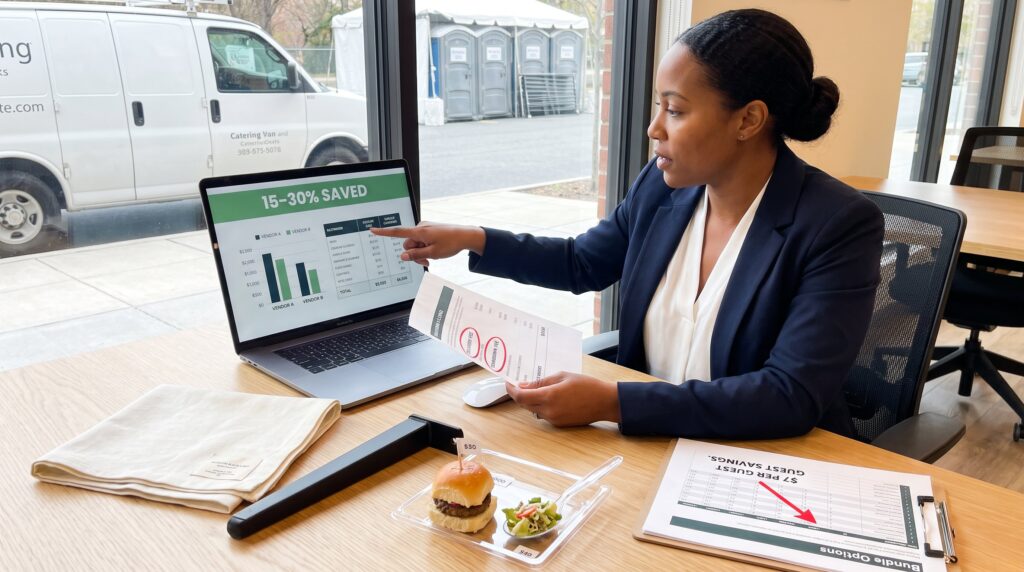
How ThriftyEvents Helps You Save on Rentals, Supplies, and Catering by putting price comparison and budget controls first. The platform lets planners set a firm budget, compare vendors side‑by‑side, and lock in lower rates through bundles and local partnerships. Readers will learn concrete ways the site reduces rental fees, trims supply costs, and lowers catering bills while keeping quality intact.
Table of Contents
ToggleKey Takeaways
- ThriftyEvents helps planners save on rentals, supplies, and catering by enabling budget setting and side-by-side vendor price comparisons within a user-friendly platform.
- The platform cuts rental costs by highlighting local, off-peak, and bundled vendor options that reduce fees by 15–30% compared to individual outreach.
- Built-in negotiation tools and local partnerships empower planners to secure capped rates and package deals, often halving negotiation time while lowering expenses.
- ThriftyEvents promotes cost-saving DIY alternatives and bulk buying strategies, which can slash supply expenses by up to 75% without sacrificing quality.
- For catering, the platform connects users to affordable, value-rated vendors and encourages service styles like food stations and seasonal menus to reduce per-plate costs by around 38%.
- Overall, ThriftyEvents streamlines event budgeting with transparent cost tracking and practical guides, helping planners cut 15–40% from event budgets while maintaining quality.
What Is ThriftyEvents And How It Works
ThriftyEvents is a budget‑focused event planning platform that matches planners with affordable vendors and tools. It operates as a search-and-comparison marketplace where users create an account, set a budget, then filter listings by price, location, and rating. The platform tracks tasks and payments through a dashboard so planners see remaining budget in real time.
A concrete example: a planner sets a $6,000 budget and pins venue and catering as priorities. ThriftyEvents surfaces venues under $2,000 and several caterers who fit the remaining budget. The planner can then bundle rentals and catering to shave costs, and the dashboard updates projections after each booking.
ThriftyEvents also publishes guides and templates to help planners avoid costly mistakes. The site’s comparison features simplify decisions: instead of contacting five vendors, planners evaluate all options on one page and book the best value. For a deeper review of platform features and real user outcomes, the platform overview explains how thriftyeventsnet reduces event costs and streamlines bookings, including case examples and savings data.
Why it matters: the workflow removes guesswork and forces decisions against a budget constraint, preventing small overruns (decor upgrades, added staffing) from blowing the plan.
How ThriftyEvents Cuts Rental Costs
ThriftyEvents reduces rental expenses by comparing local and national vendors and highlighting below‑market options. The platform flags low‑cost furniture, decor, and venue alternatives and estimates true rental totals (including delivery, setup, and taxes) so hidden fees don’t surprise planners.
A planner working a 150‑guest corporate event used ThriftyEvents to compare three venue rental packages. The platform showed a community center with a full setup for $1,250 versus a ballroom that listed $1,900 but added $600 in mandatory staffing. The clearer math saved $1,000 and freed funds for catering.
ThriftyEvents also promotes short‑term swaps (rent linens and chairs only for ceremony hours) and suggests off‑peak rentals that run 20–35% cheaper. For readers wanting a broad guide to using the platform for bookings and vendor choices, the explanatory article on thriftyeventsnet explains step‑by‑step how to save on supplies, venues, and planning.
ThriftyEvents prevents overspending by showing bundled pricing and full‑cost comparisons up front. That transparency often trims rental bills by 15–30% compared with individual vendor outreach.
Negotiation Tools, Package Deals, And Local Partnerships
ThriftyEvents gives planners negotiation power through pre‑negotiated deals and partner discounts. The platform lists vendors that agree to capped rates for ThriftyEvents customers and advertises package deals for common event types, like ceremonies with reception bundles.
Practical detail: a vendor partnership can lock delivery fees at $75 instead of the usual $150. The platform’s negotiation toolkit includes templated emails and a cost‑comparison chart to present to vendors, which helps planners win better terms in under 24 hours.
ThriftyEvents leans on local partnerships to surface community halls, independent vendors, and storefronts that prefer steady bookings over one‑time high rates. For those who want a guided purchasing template and budgeting worksheets, the site’s budgeting template walks planners through allocation, contingency buffers, and vendor negotiations.
This mix of tools and relationships streamlines bargaining and reduces the time a planner spends calling vendors, often cutting the negotiation phase in half while delivering measurable savings.
Saving On Supplies And DIY Alternatives
ThriftyEvents helps planners choose lower‑cost supplies and viable DIY substitutes. It features curated supply bundles and community‑tested tutorials that replace high‑end items with inexpensive, durable alternatives.
An example: instead of hiring a custom signage company for $350, a planner bought a printable kit for $28 and rented a standing easel for $12. Total savings: $310. The site lists similar practical swaps for centerpieces, signage, and favors.
The community section offers step‑by‑step DIY projects and real budgets from events that used them. This transparency reduces uncertainty, planners see exact costs and time investment before committing.
Readers who want deeper strategy on choosing low‑cost vendors and materials can consult the platform’s detailed guide to saving on event supplies and venues, which includes lists of reusable materials and seasonal purchase tips.
Bulk Buying, Kits, And Cost‑Smart Material Choices
ThriftyEvents recommends bulk buying and prepared kits for common event formats to lower unit costs. The platform aggregates bulk suppliers and shows per‑item pricing so planners can quickly see the break‑even point between buying and renting.
Concrete numbers: buying 200 place cards at $0.35 each costs $70: a custom printed set from a boutique could cost $280. For many planners, buying simple, reusable materials drops costs by 50–75% and creates inventory for future events.
Kits are another win: wedding decor kits and corporate tabletop kits include items that match and are priced lower than assembling components separately. ThriftyEvents highlights kits and suggests cost‑smart materials, like acrylic signage instead of carved wood or LED candles instead of wax, for longer use and lower replacement costs.
The platform also points to digital replacements (QR menus, emailed itineraries) that can cut printing expenses dramatically, a tactic that often saves several hundred dollars at mid‑size events.
Reducing Catering Costs Without Compromising Quality
ThriftyEvents connects planners with competitive catering vendors and cost‑smart service styles that maintain quality while lowering per‑plate costs. The platform lists local caterers, food trucks, and boutique chefs who price menus below conventional plated dinners. Many listings include sample menus and exact per‑guest pricing.
A planner replaced a $45 plated dinner with a $28 food‑station menu and saved roughly 38% on food and staffing while keeping a curated guest experience. ThriftyEvents rates vendors on value, so planners can pick caterers who deliver taste and portion control without premium markups.
Practical strategies promoted on the platform include: choosing buffet or food‑station formats, trimming late‑night snacks, offering a signature cocktail instead of an open bar, and negotiating plate counts with a 3–5% buffer. The site also suggests tapping local vendors for seasonal menus: this often reduces ingredient costs and supports lower pricing.
For budgeting best practices that map to realistic event numbers and tradeoffs, the platform’s case studies and planning guides show menu comparisons and cost outcomes for real events. Those examples help planners decide where to invest for guest satisfaction and where to economize without sacrificing quality.
To ground budgeting choices in a trusted framework, planners sometimes pair ThriftyEvents guidance with external budgeting references such as a practical wedding budget calculator for planners who want clear allocation percentages and per‑guest math.
Conclusion
ThriftyEvents helps planners save by centralizing comparisons, negotiating deals, and promoting practical swaps and bulk options. It reduces surprises, reveals real total costs, and offers tools that make budget discipline practical. For planners who want to cut 15–40% from event budgets without losing quality, ThriftyEvents supplies the data and vendor relationships to make it happen.